



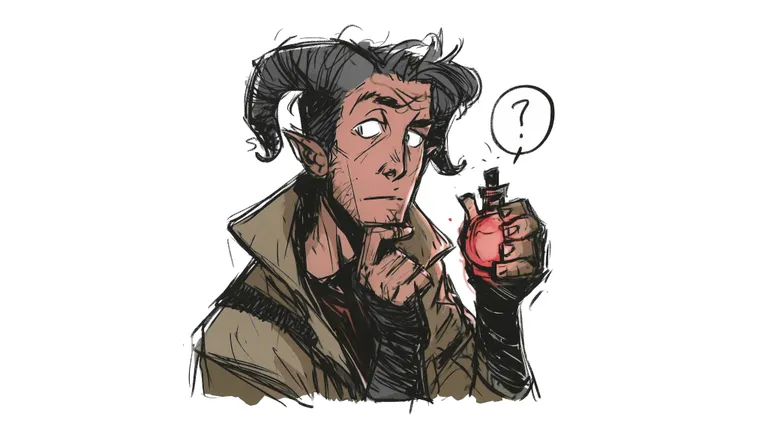
A potion in a pack is a useful thing, even if nobody ever drinks it.
It's insurance. The player feels better knowing that if the griffon guano hits the fan during the next encounter, it'll be there for them. Holding on to a potion for later can be a sensible decision in a dangerous and uncertain world.
As a DM, this can feel frustrating when you've dreamt up a batch of interesting and fun consumables and would like to see them actually do something. One option is to arbitrarily turn up the heat - put the party in enough danger that they need to use some of the stuff they've been lugging around for three months. But this can end up feeling forced, and that can make a game less interesting and fun.
Before sending that army of bugbears to bully them into gulping down your inventions, take some time to find out why the potions aren't leaving the bag. A confusing homebrew effect, a treasured emergency reserve, or something simply forgotten - each calls for a different response.
Check what the player can actually use
Start with ownership. A potion considered “party loot” can end up sitting there forever because nobody agreed who was carrying it, or who should have the right to use it. Most people don't want to be the one hogging the loot.
Uncertainty can also be an issue. If a player can't remember exactly what a potion does, they're less likely to bother with it and may take the path of least resistance instead.
At the next sensible stop, try having the players decide who carries which items and write them down somewhere they'll see them. For in-person games, something like an index card can do. Online, use an accessible inventory entry rather than a message that gets buried in the chat. Include the effect, duration and what it takes to use the item. Keep the rules to hand so you can quickly clarify exactly what happens, especially with homebrew items (assuming the players are supposed to know!)
Make sure the players understand the action cost, too. They might be worried about using a potion if they think it'll mean sacrificing an opportunity to attack or cast a spell. In the 2024 revision of 5e, drinking a potion now only requires a Bonus Action.
Explain what replacing it looks like
A DM knows if more potions might be waiting in the next hoard, or sitting in the merchant's caravan. The players can't really decide when to cash in their insurance policy if they don't have a sense of where replacements might be coming from. If the only healing potion they have ever seen came from a sealed royal tomb, saving it for a catastrophe seems reasonable.
Be plain about what exists in the campaign you are running. If basic options can be bought when the players return to the city, establish a seller and let them learn what's available. If there's a reason they might regularly find consumables as rewards, establish that too. Neither guarantees a replacement before the next dangerous journey, but both give the players a sense of how scarce these items really are.
Keep genuinely rare finds distinct. There may be a predictable supply of regular healing potions, while more unusual items may appear as a prize the players will never see again. Spending that prize should feel like an event - and that can only happen if they have some idea of what it is they're carrying in their pack.
Offer benefits worth paying for
Suppose the party has a Potion of Climbing and is collecting a parcel from a mountain freight depot. The parcel is on an elevated platform, but the staircase is broken. Repairs won't be finished until tomorrow afternoon, and the caravan they're booked to take leaves at dawn.
The stone wall is slippery enough to require a check, but has a few usable handholds, so a character could attempt the climb without any special equipment. The group could also accept the delay, try to find transport elsewhere, or dip into their pack and use the potion that's been waiting patiently for the right moment.
The Potion of Climbing grants a Climb Speed equal to the drinker's Speed for an hour and Advantage on Strength (Athletics) checks to climb. It doesn't guarantee success, but it can help reduce the risk of a dangerous fall.
Assuming the players are keeping tabs on their inventory, this may produce a moment of excitement when they realise they already have exactly the right tool for the job at hand. By giving them an advantage in a particular situation, you've also given them more options. They can weigh the cost of using the bottle against the benefits, or maybe they just find another way.
Accept an informed decision to save it
Just straight up asking can always help: “Are you saving these because you expect them to be hard to replace, or are they awkward to use?”
They might not have actually thought about it themselves, but if they do have an answer, take it seriously. If they're the kind of people who just like to have a reserve, you've learned something about what treasure means to them. You can also learn whether some other kind of reward might make them feel better about their accomplishments, instead of just handing over another page of temporary effects nobody's ever going to see.
Reminders are useful while players learn their characters. You might mention an available potion when they're considering options, then leave the choice with them. However, repeated nudging after they've already declined can start to feel like railroading.
If the campaign's fights are consistently too easy for the group, it's fine to adjust the challenge to suit the game everyone wants. But making a fight lethal solely to clear out the party's inventory carries its own risks. It also depends on a particular response - they could retreat, try something else, or fail to recognise the seriousness of the situation you've created around them.
Then, when later finally comes and someone spends a bottle, it might feel like it was worth using.
And if it never does? Well, insurance feels good too.